

empathy cards
seasons of caregiving

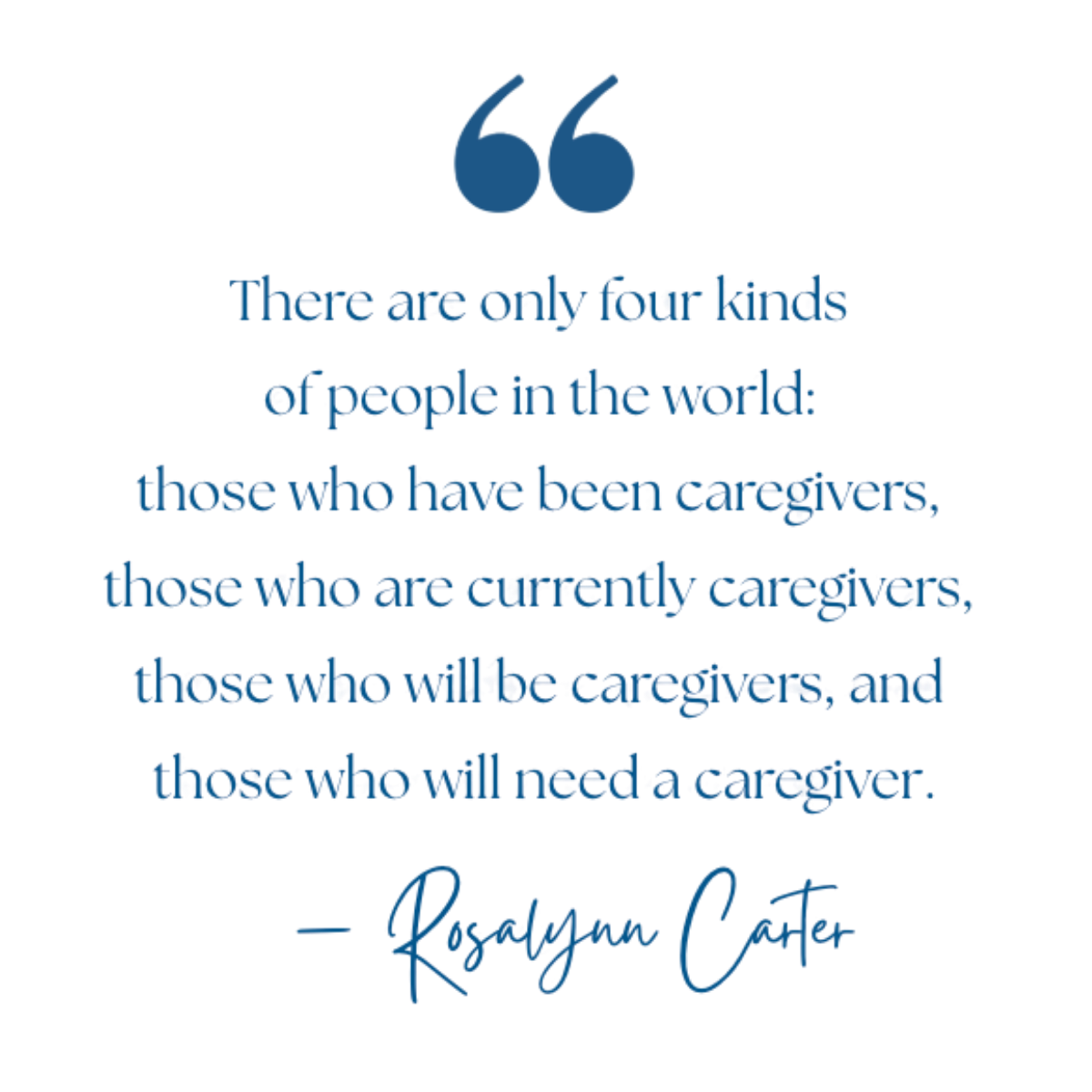
In the United States alone, an estimated 63 million people — nearly one in four adults — provide unpaid care to a family member or friend, averaging 27 hours a week.
Health and long-term care systems in this country are designed to depend on that unpaid labor — valued at more than $1 trillion in 2024 — often at great cost to caregivers' own mental, emotional, spiritual and relational well-being.
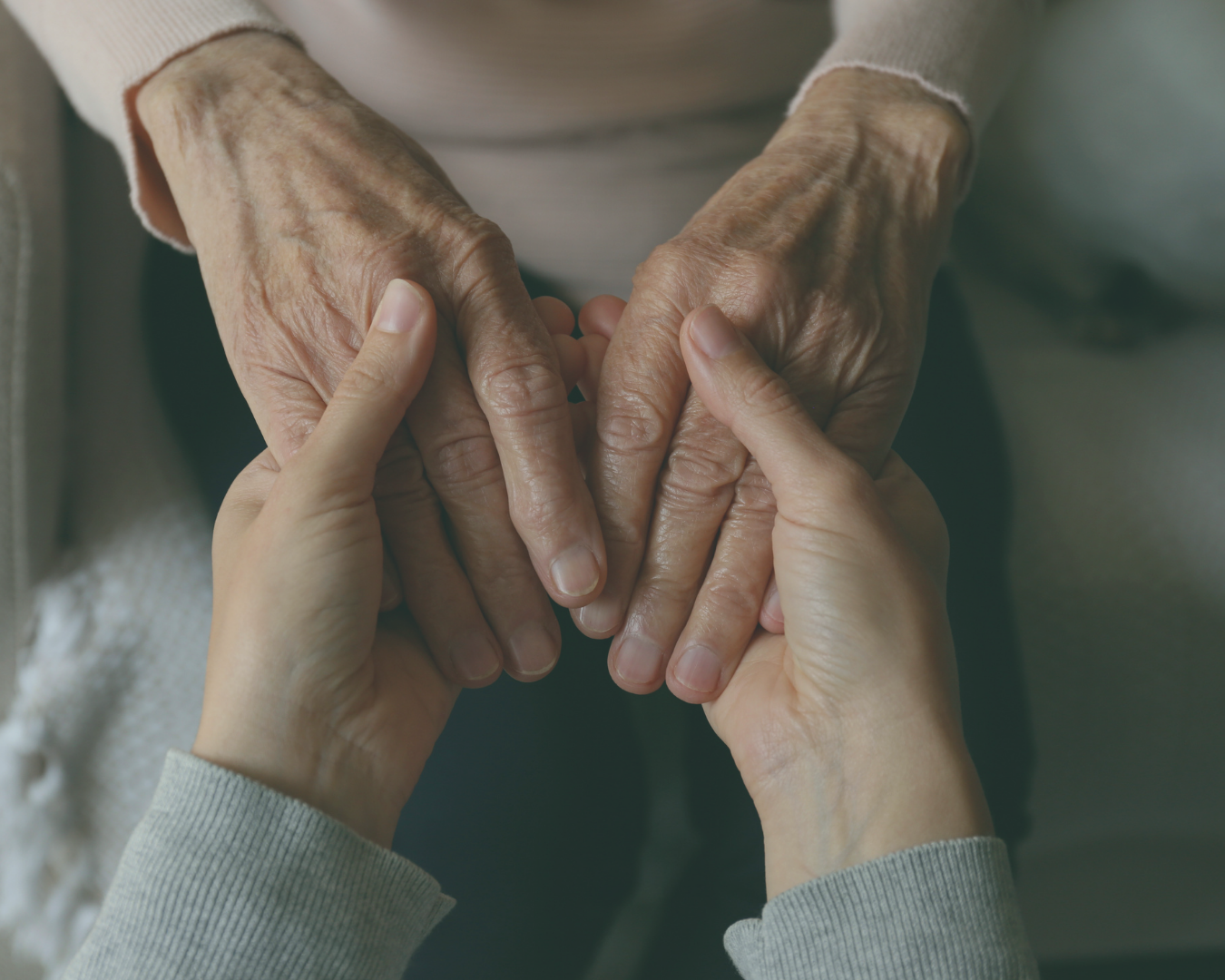
As in so many other areas of service, the pain and hardship experienced by those caring for others are often minimized or hidden, with the unique grief acknowledged. Anticipatory grief, disenfranchised grief, ambiguous loss, chronic sorrow. But because these losses are ongoing, there is no funeral, no ritual, no closure. Instead, caregivers tend to hold them quietly in the background, alongside other realities of caregiving like exhaustion, burnout, compassion fatigue, moral injury, fear, and a loneliness that deepens over time, leaving less time and energy for anything — or anyone — else.
one6one collection | seasons of caregiving
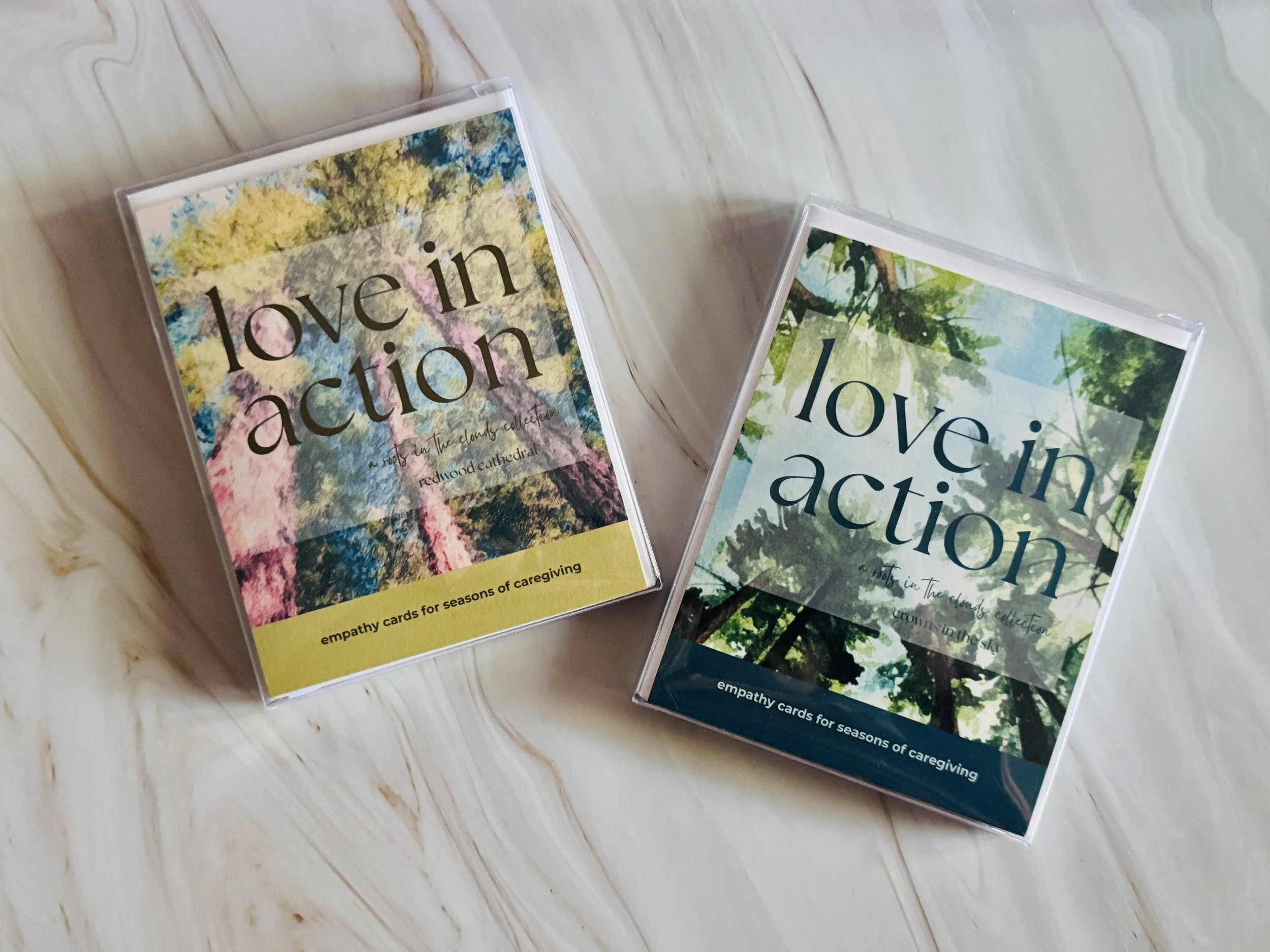
Our empathy cards for seasons of caregiving are inspired by the communal care found in nature. In a forest, when a tree is injured or under strain, it doesn't have to manage alone — the surrounding ecosystem responds. Showing up for a caregiver again and again over time, without trying to fix anything, is a way of becoming part of their forest — a reminder that they don't have to hold everything on their own.
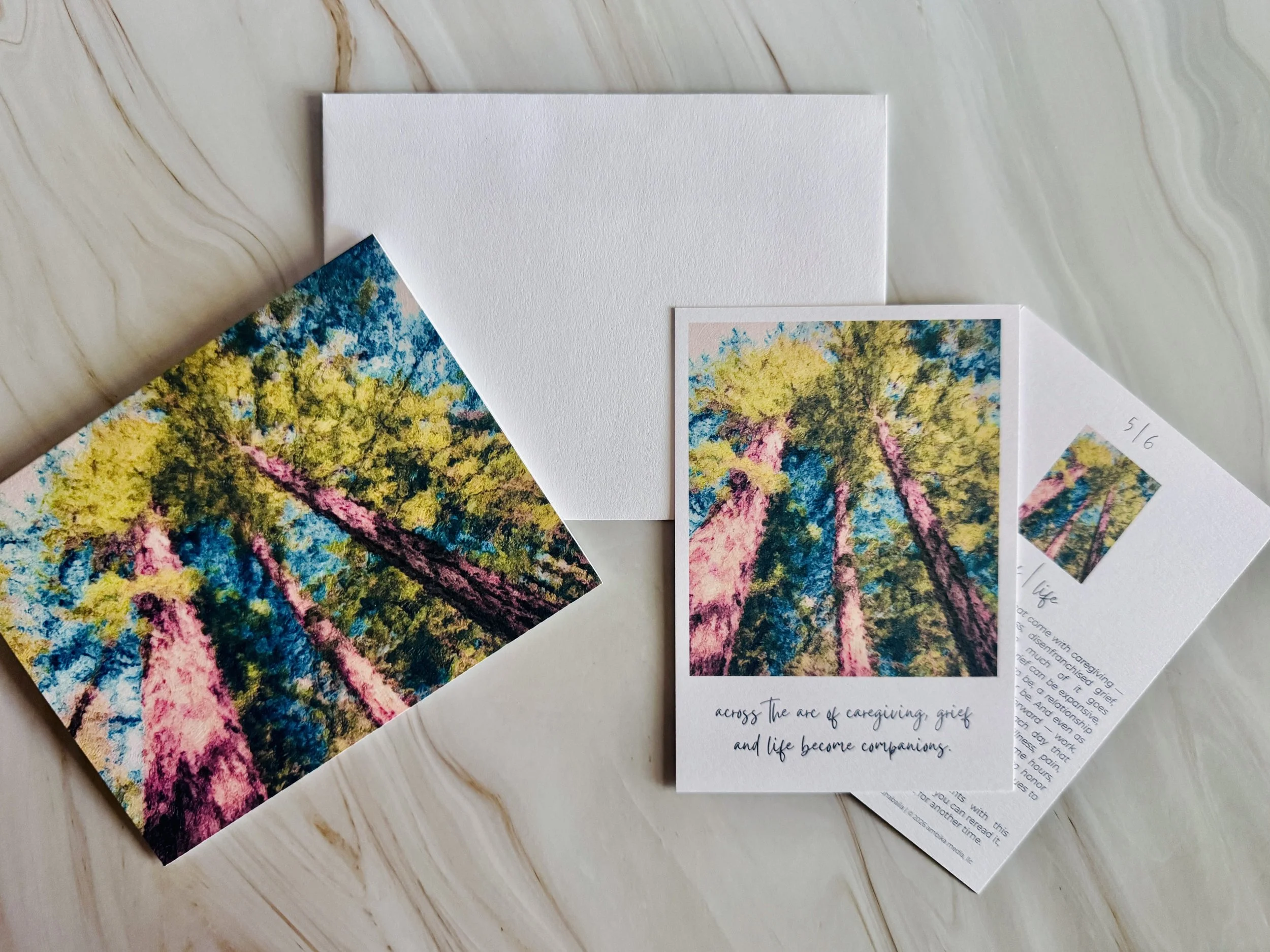
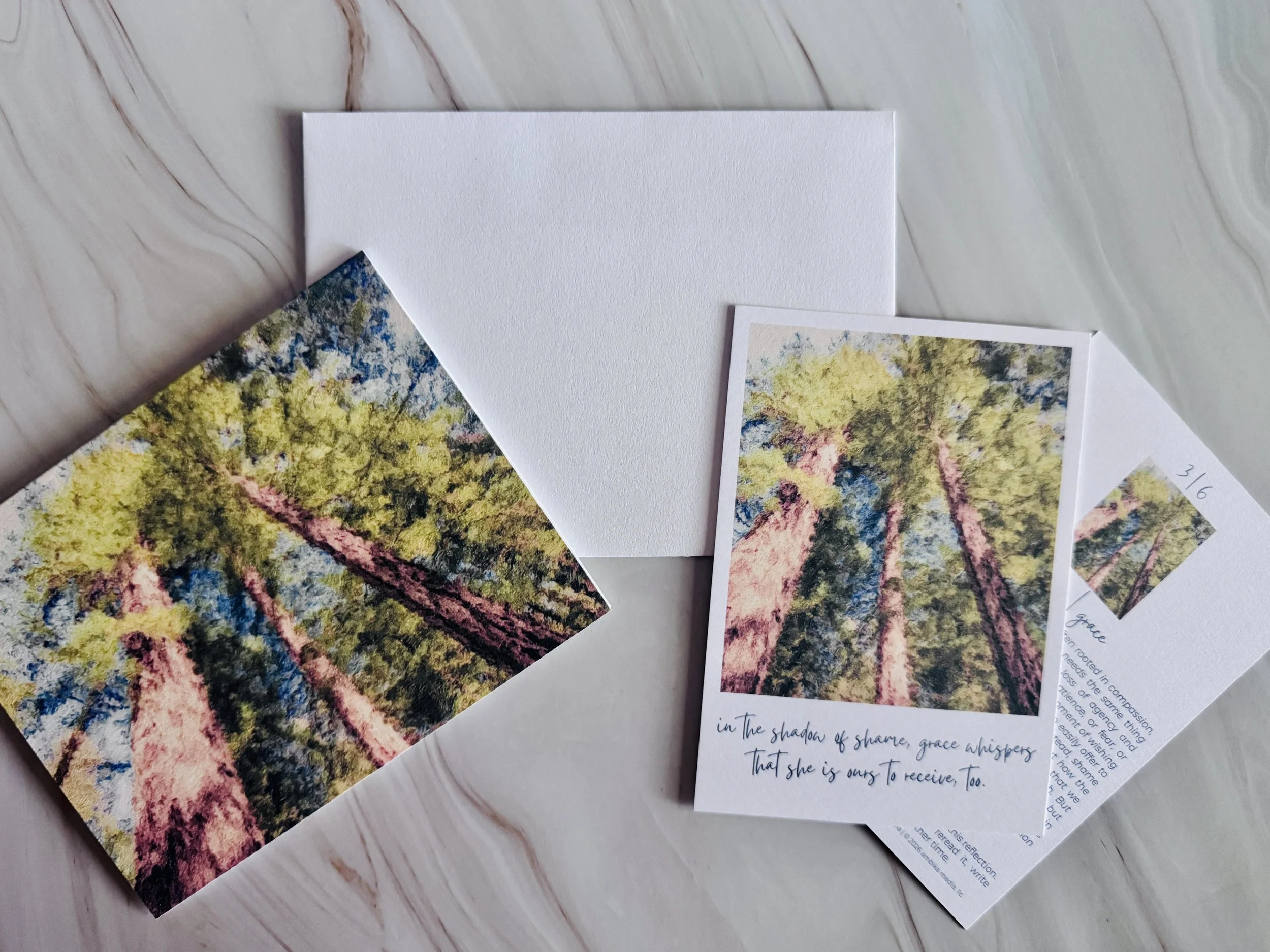
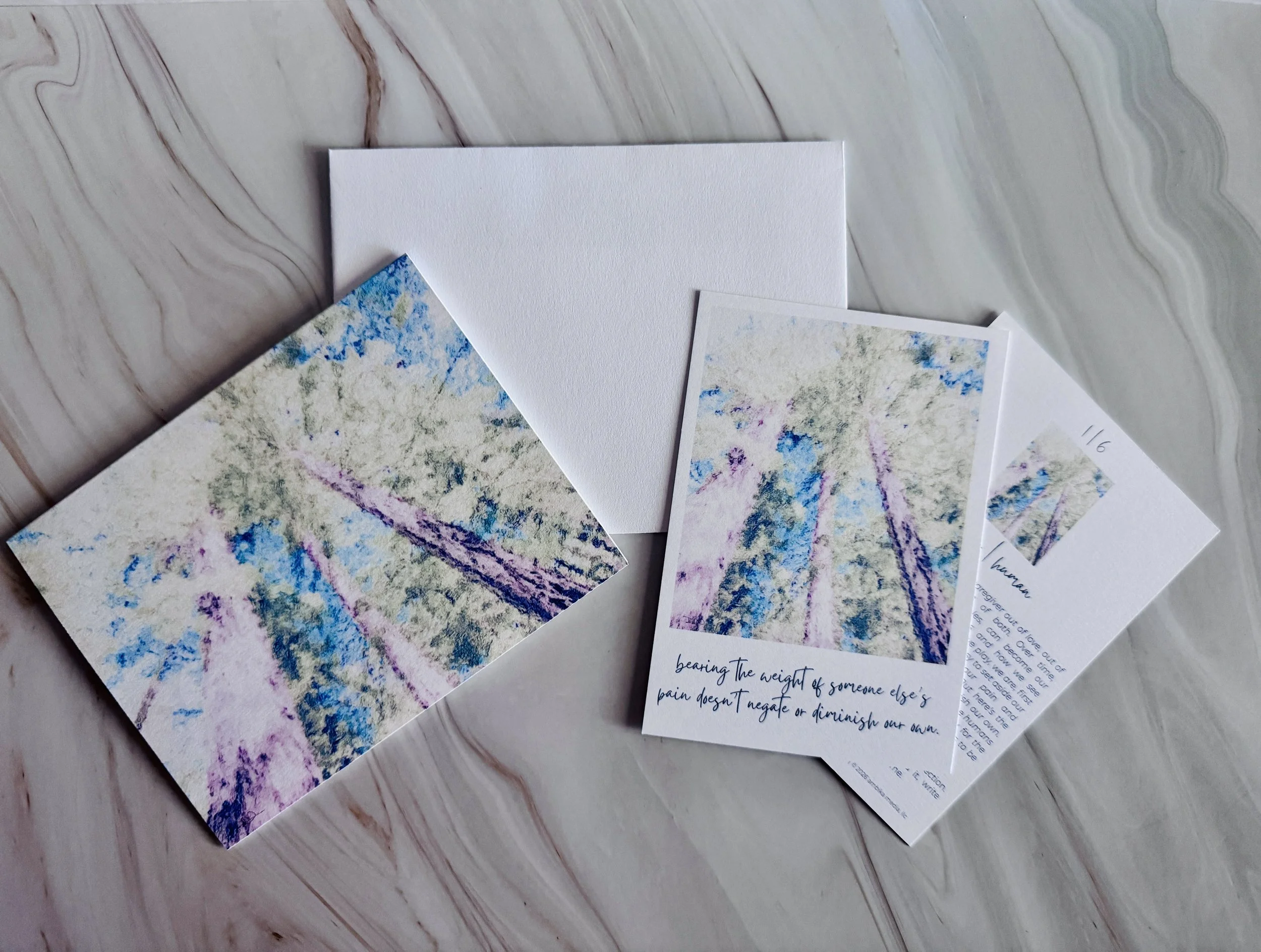
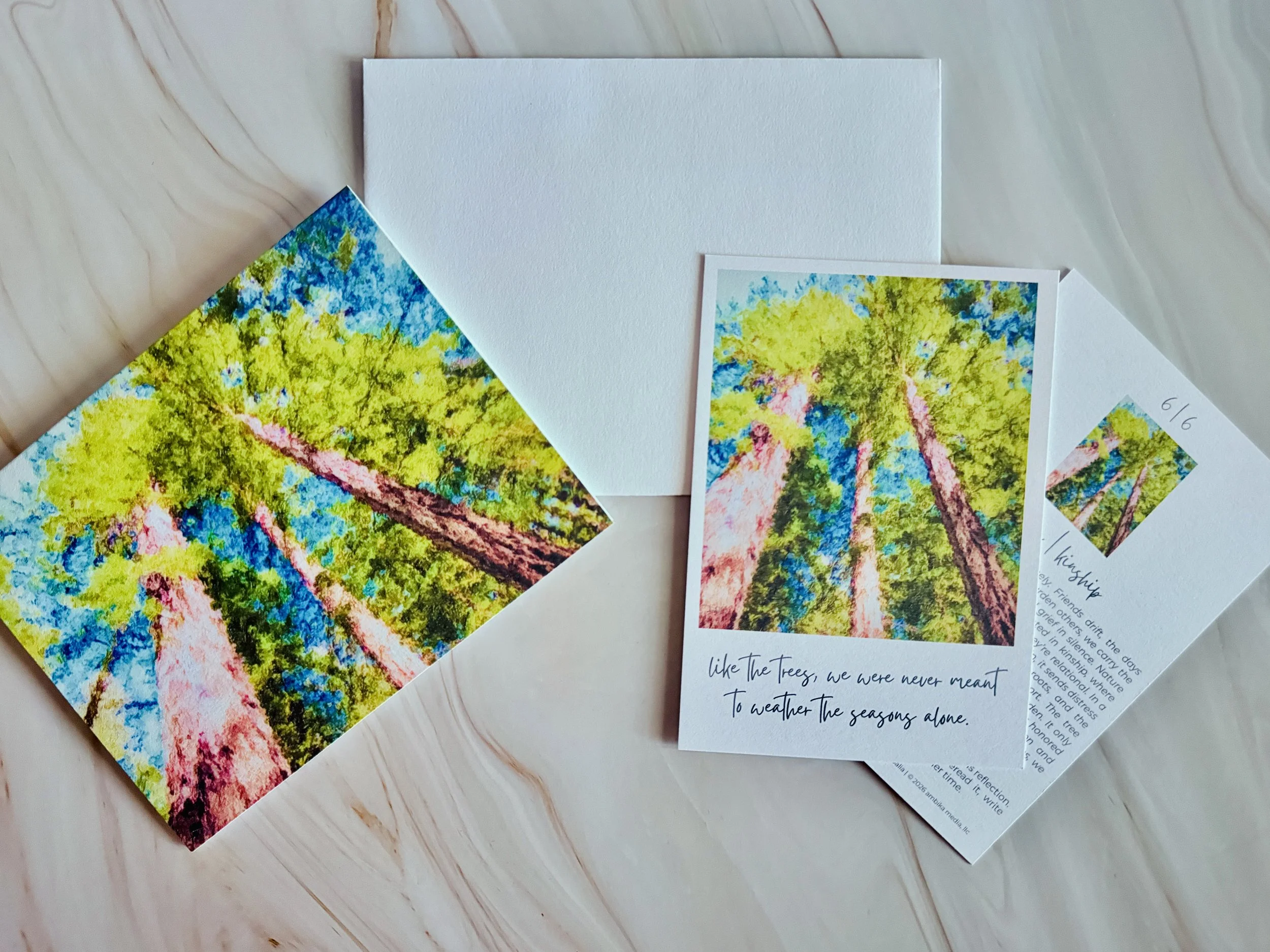
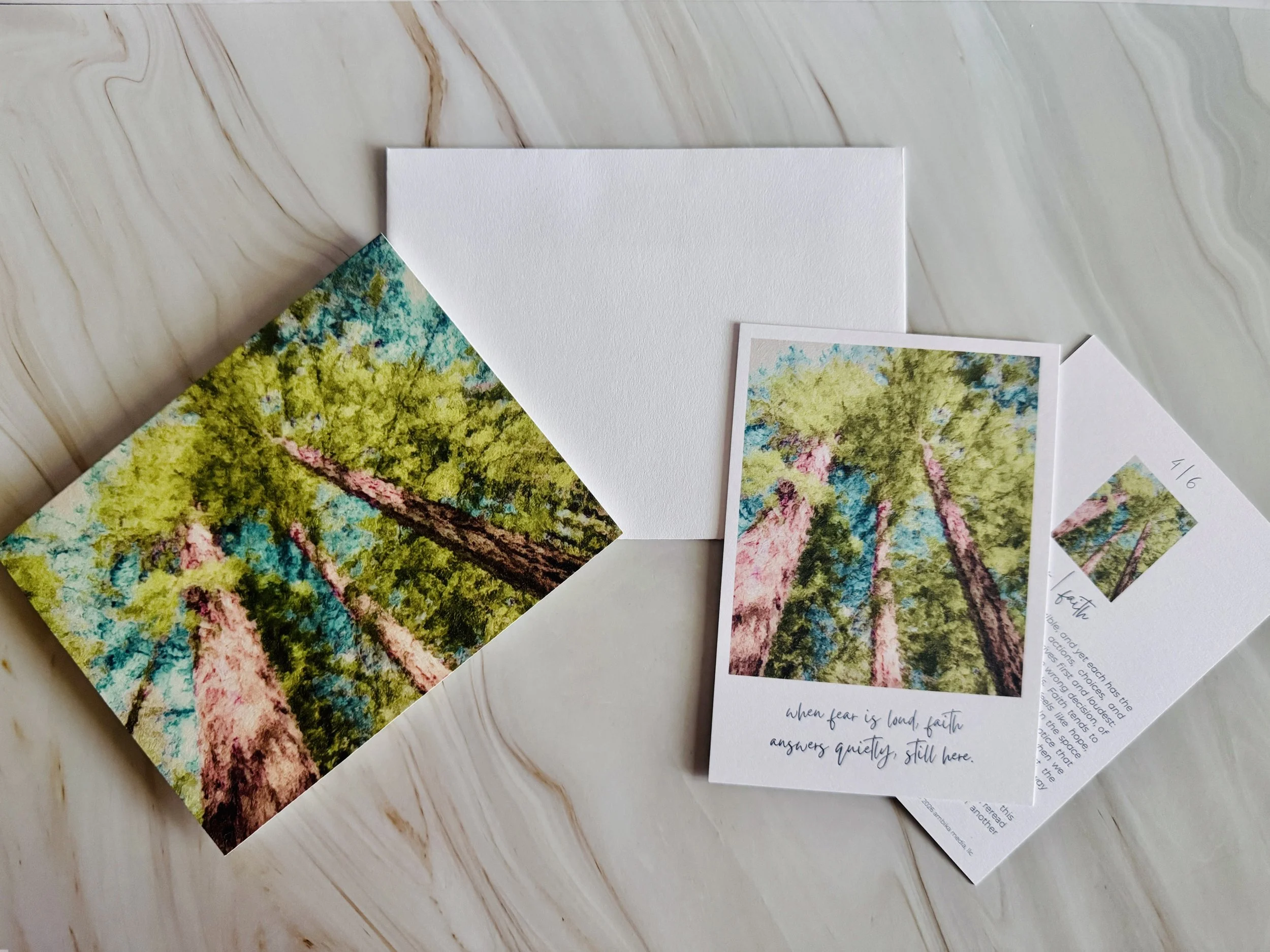
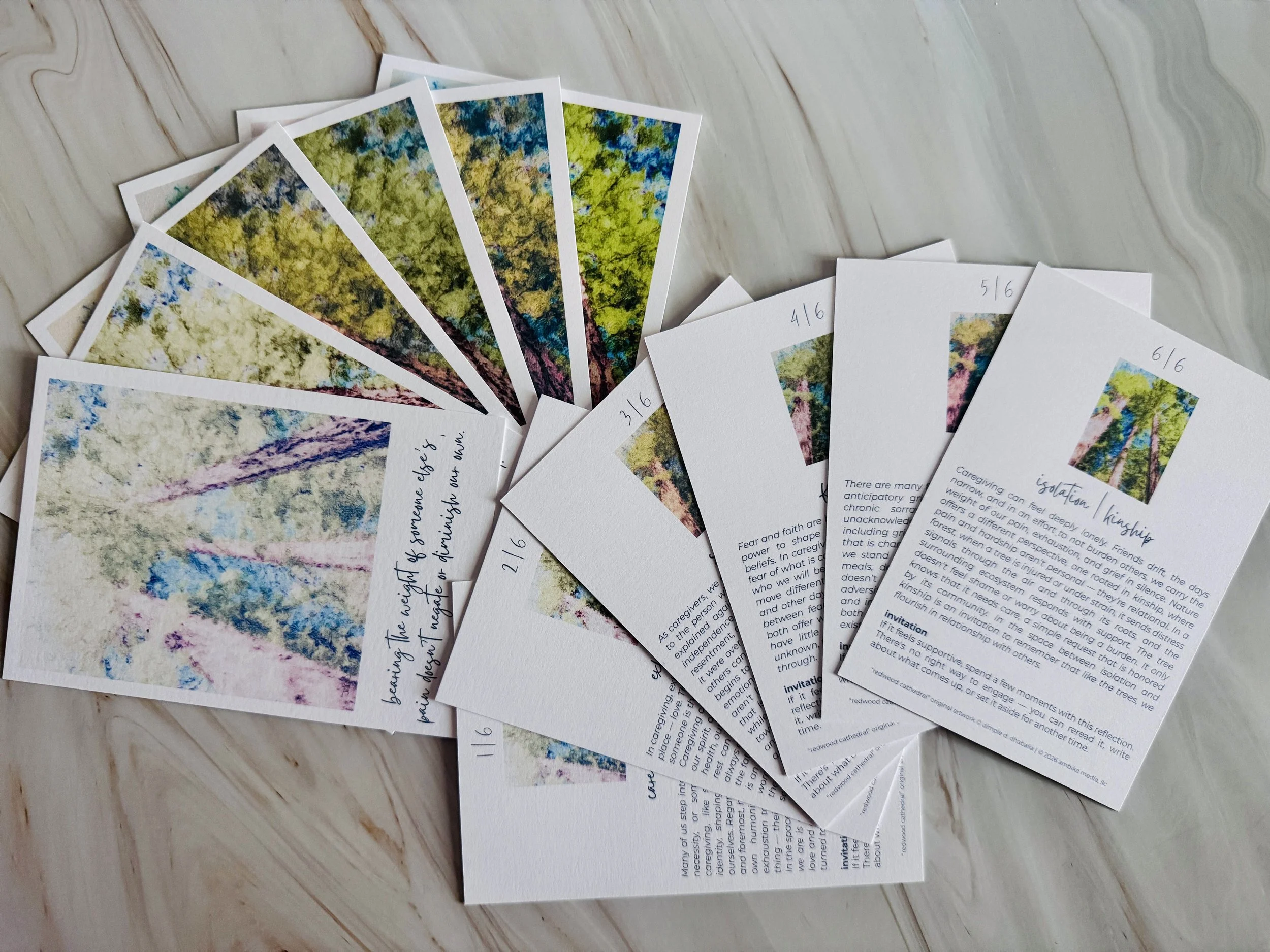
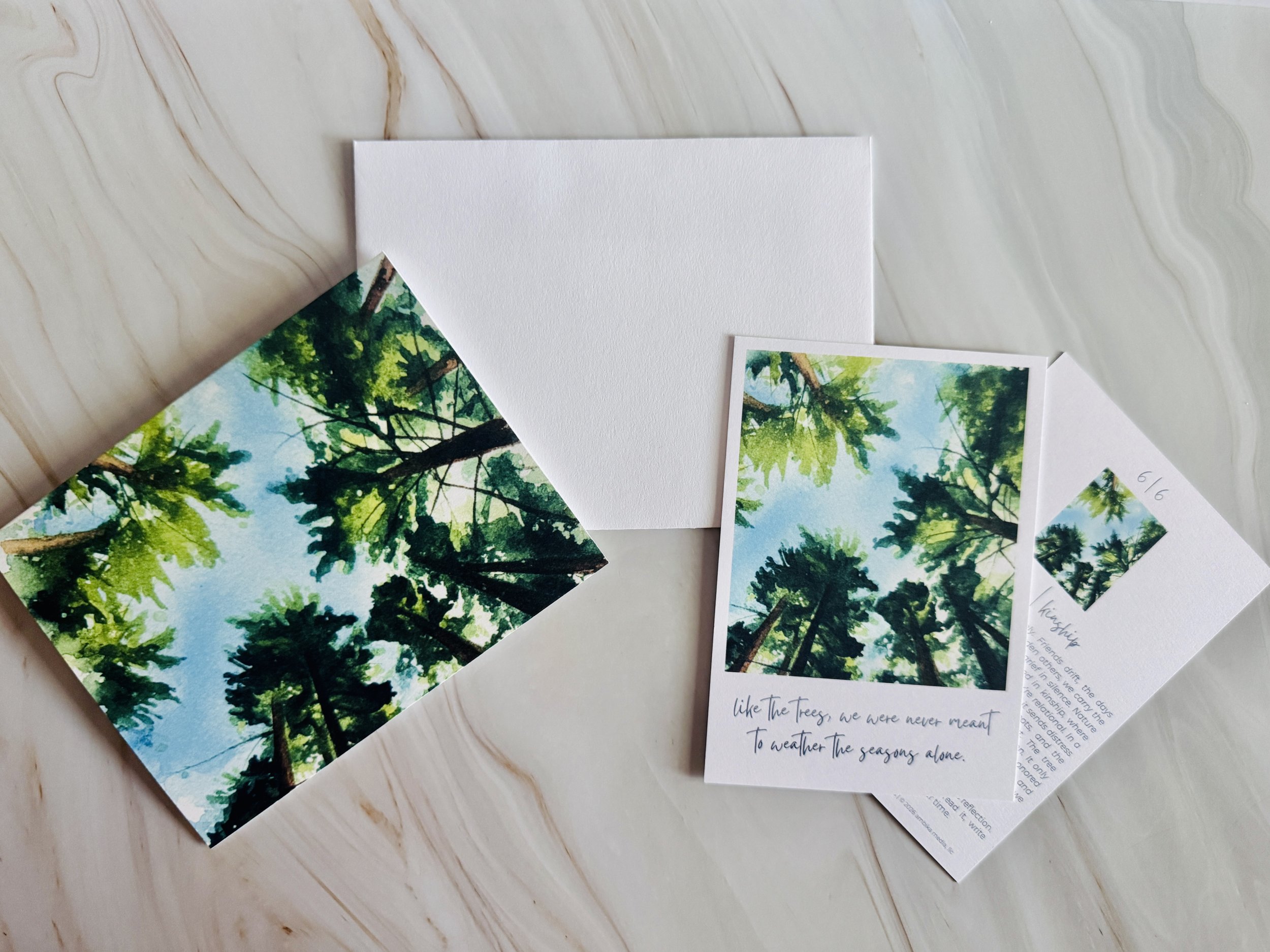
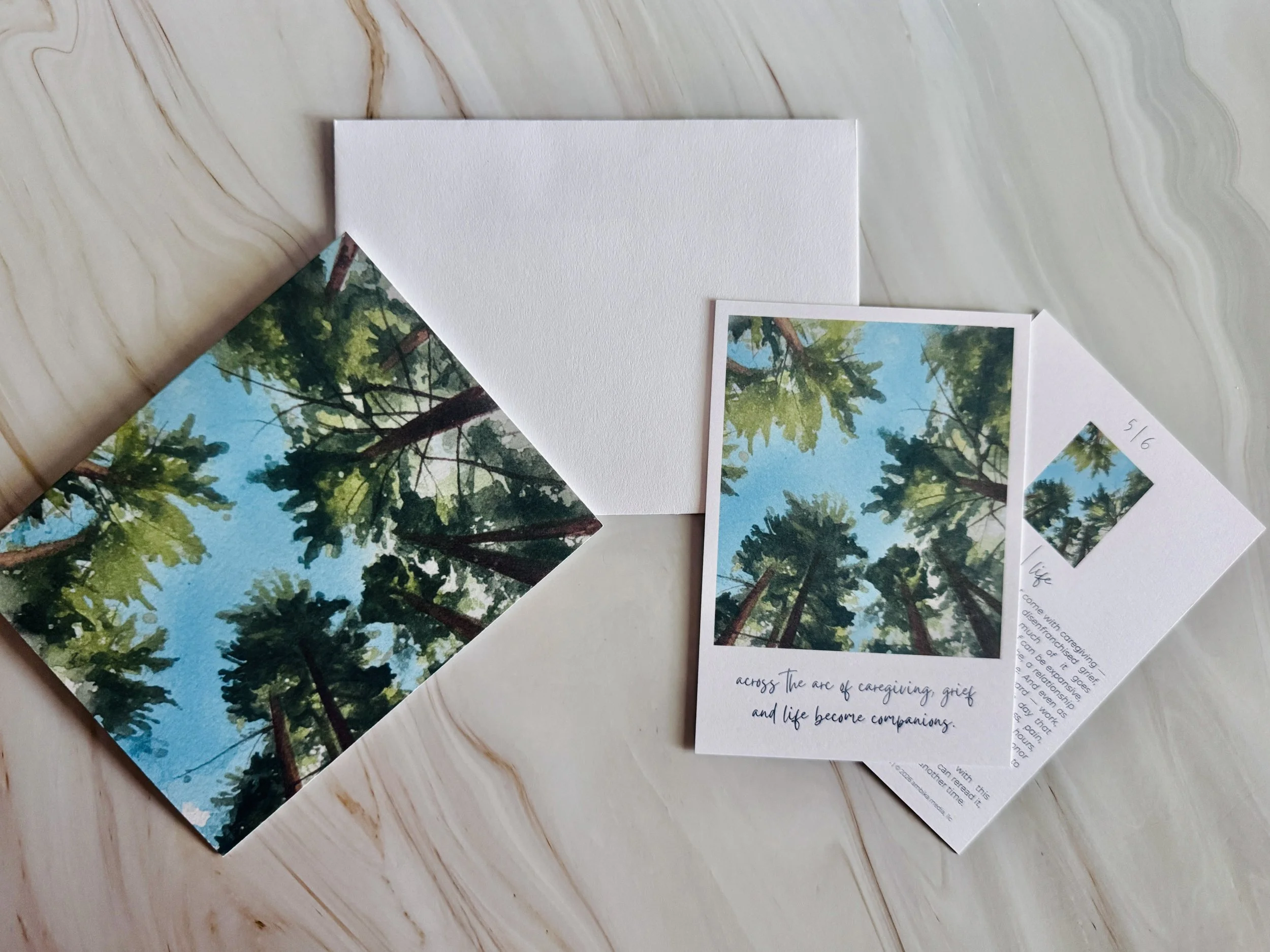
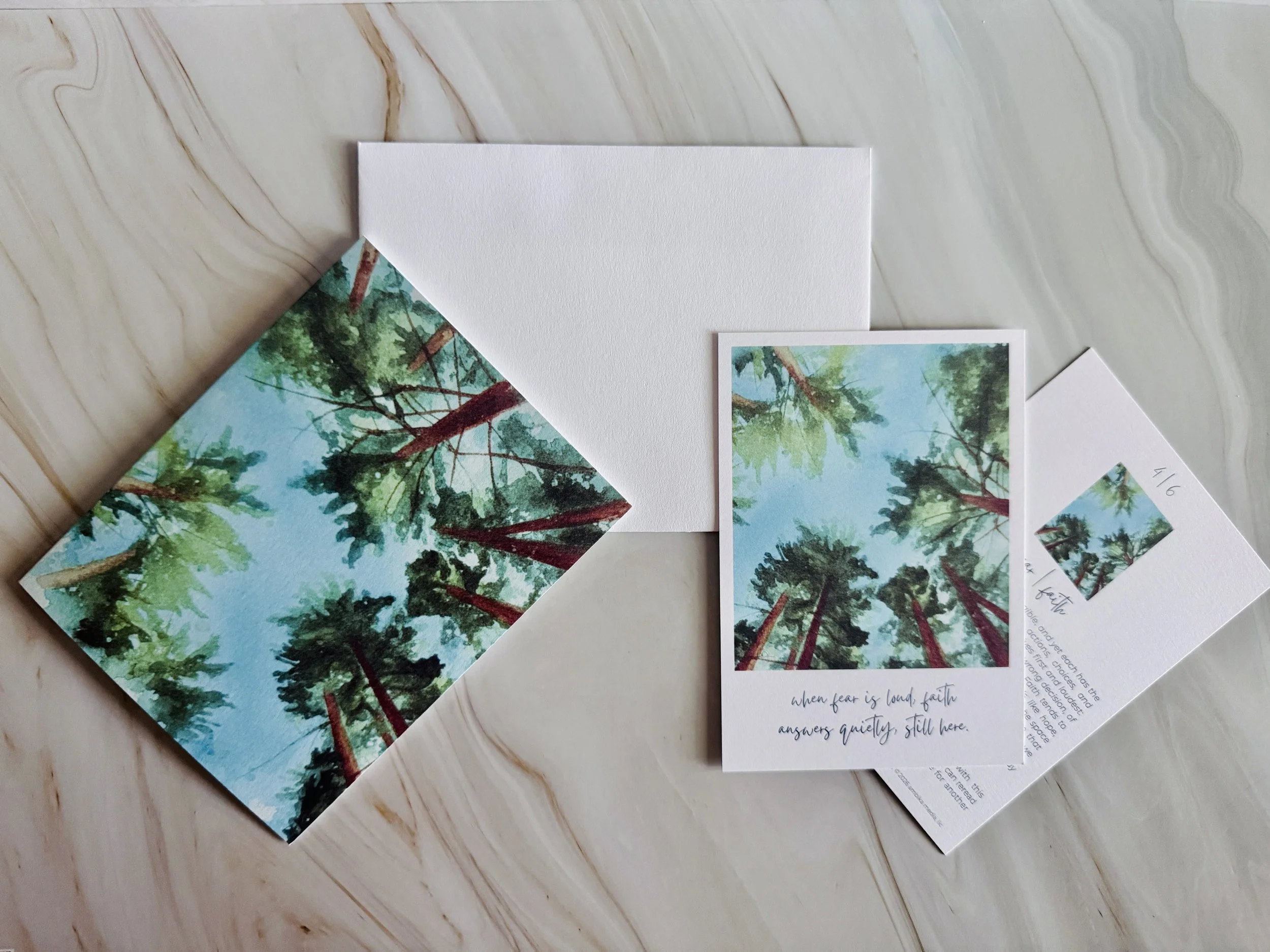
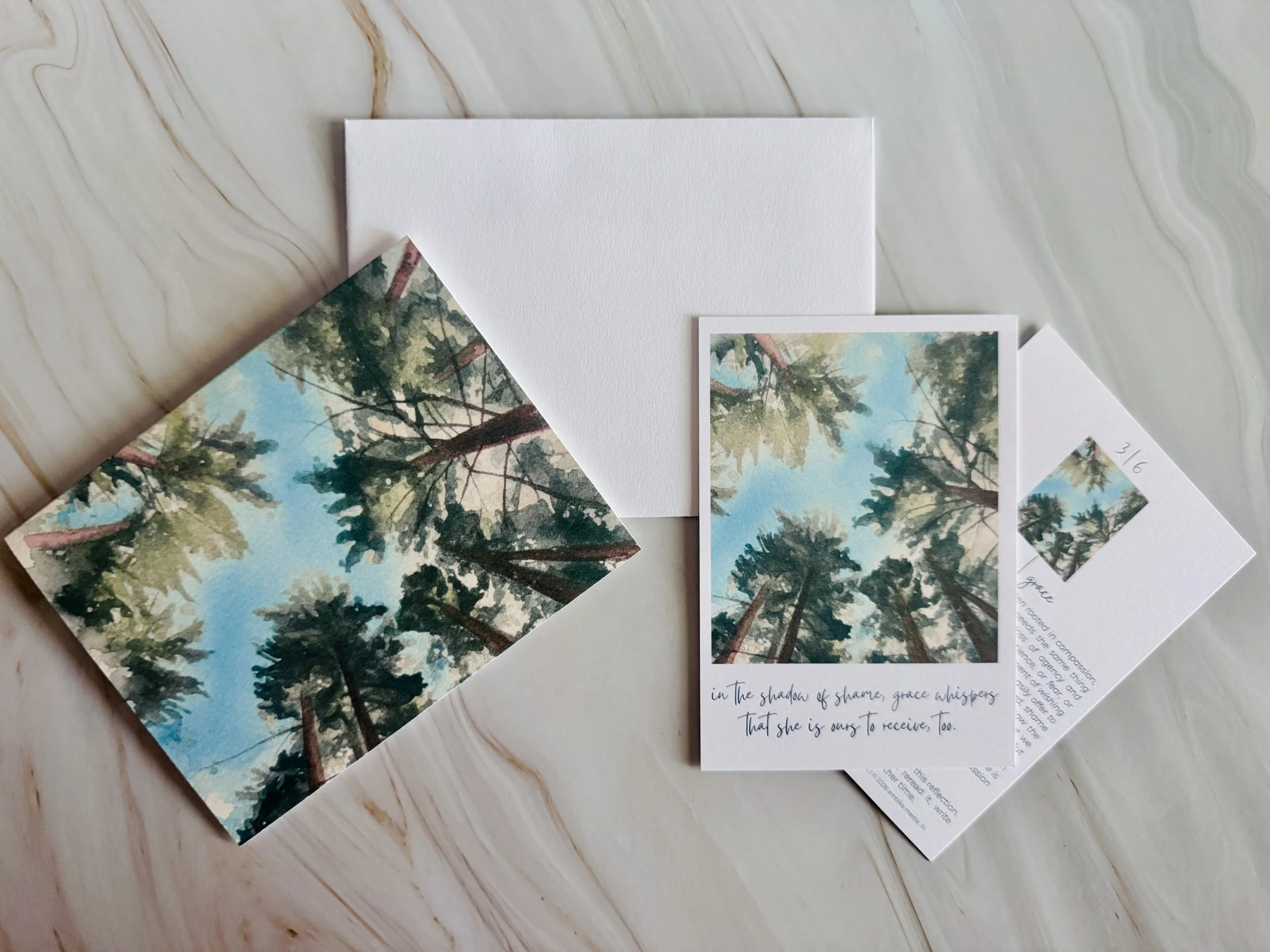
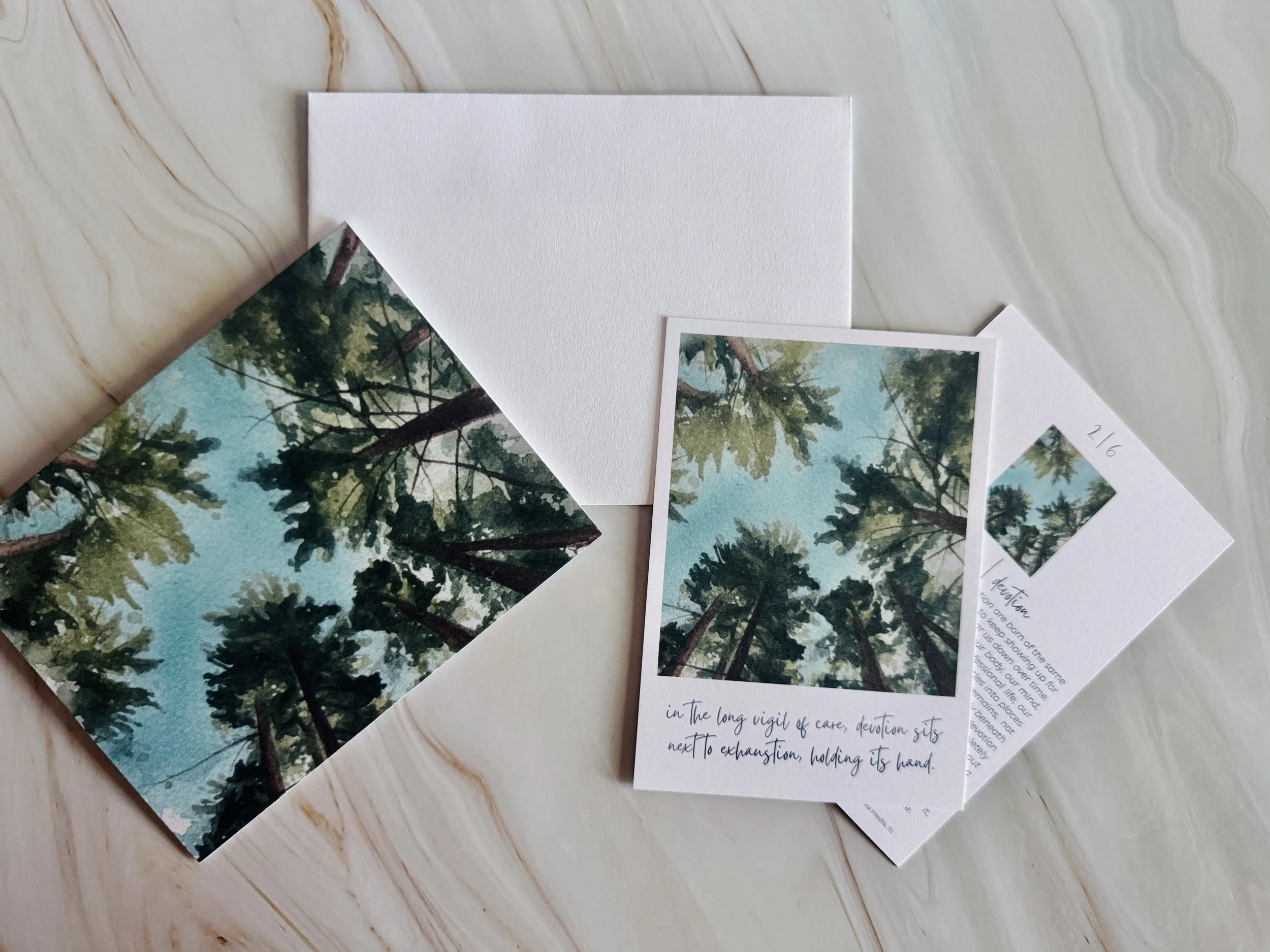
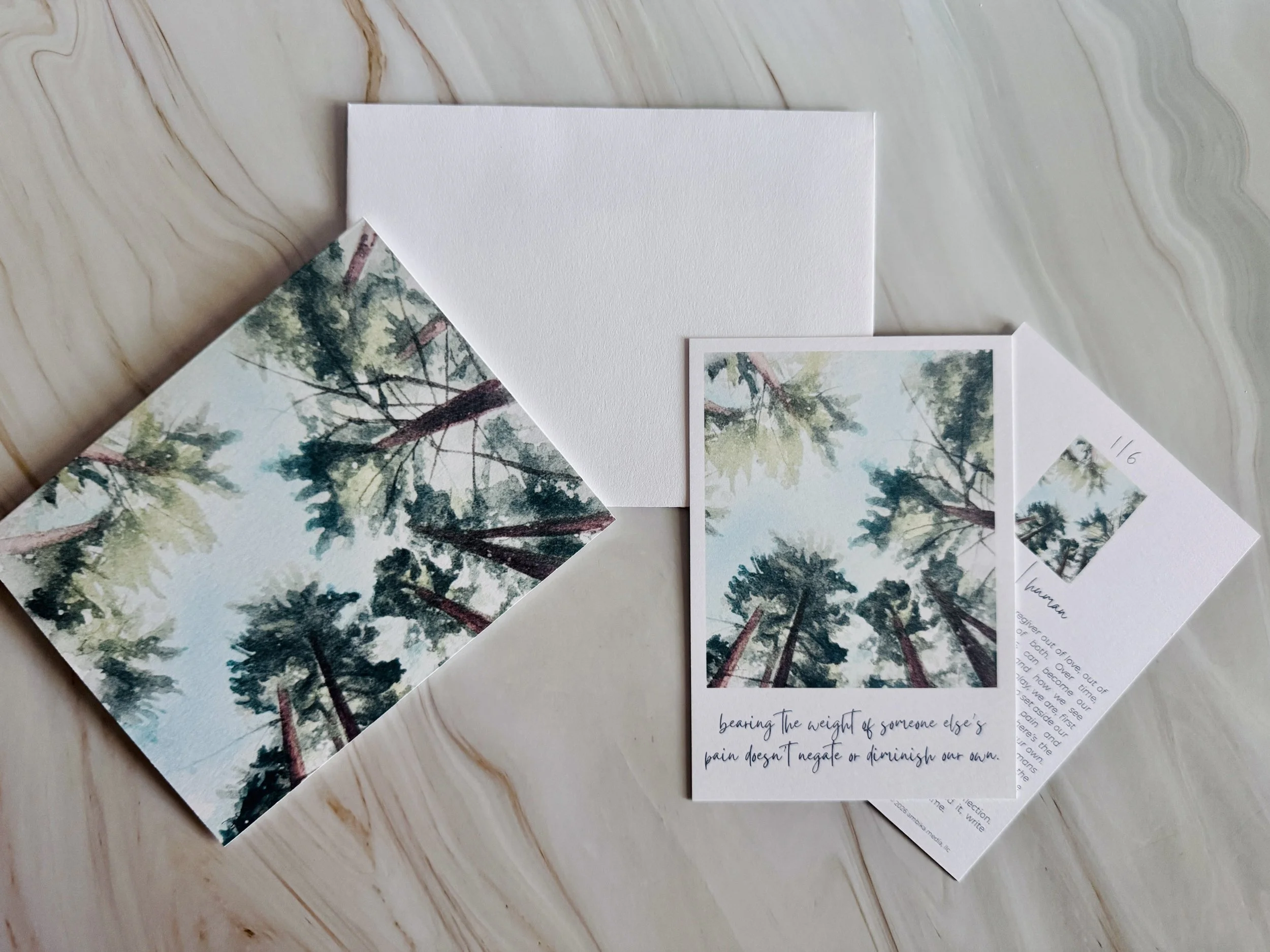
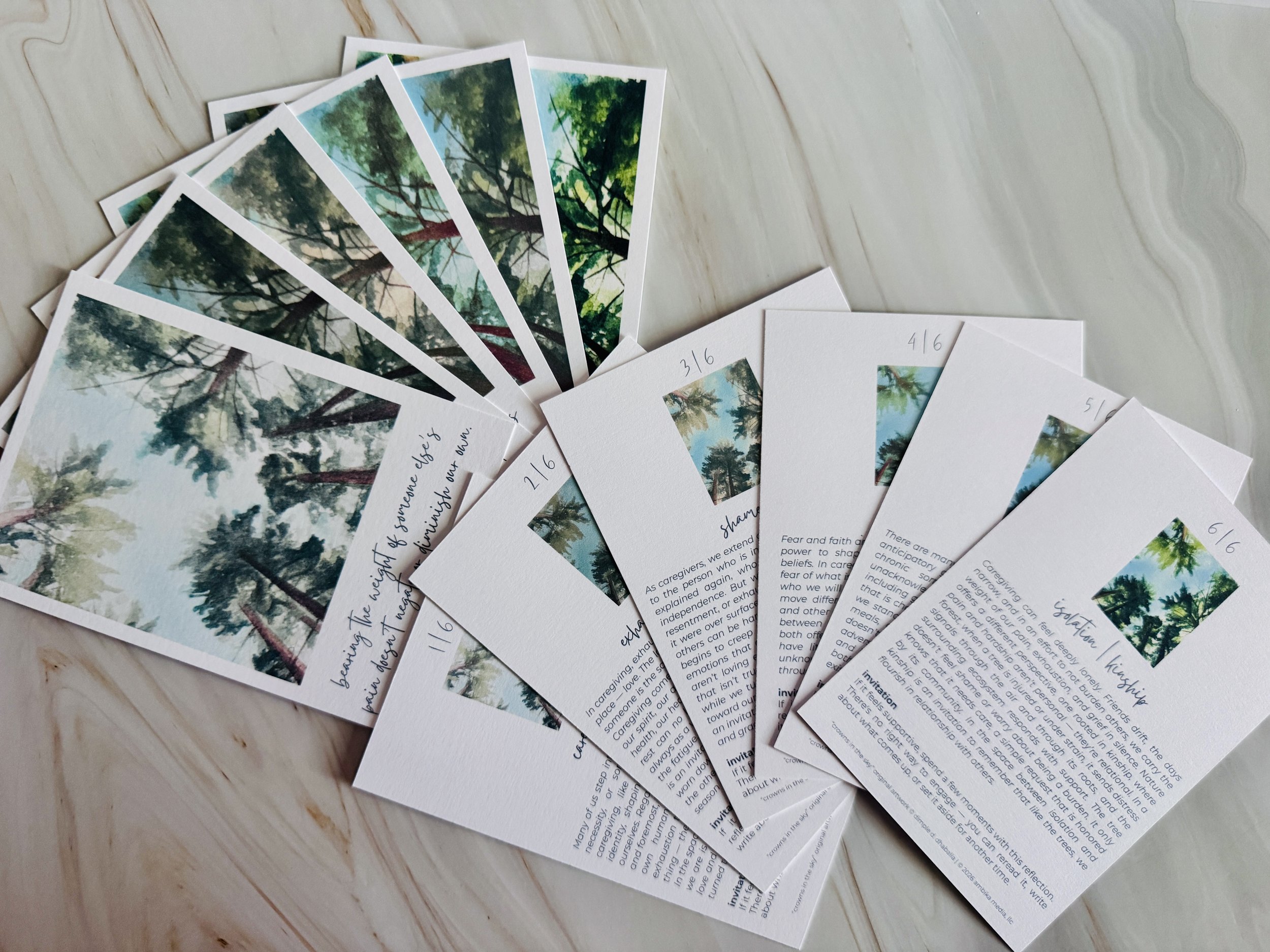
a note about the designs
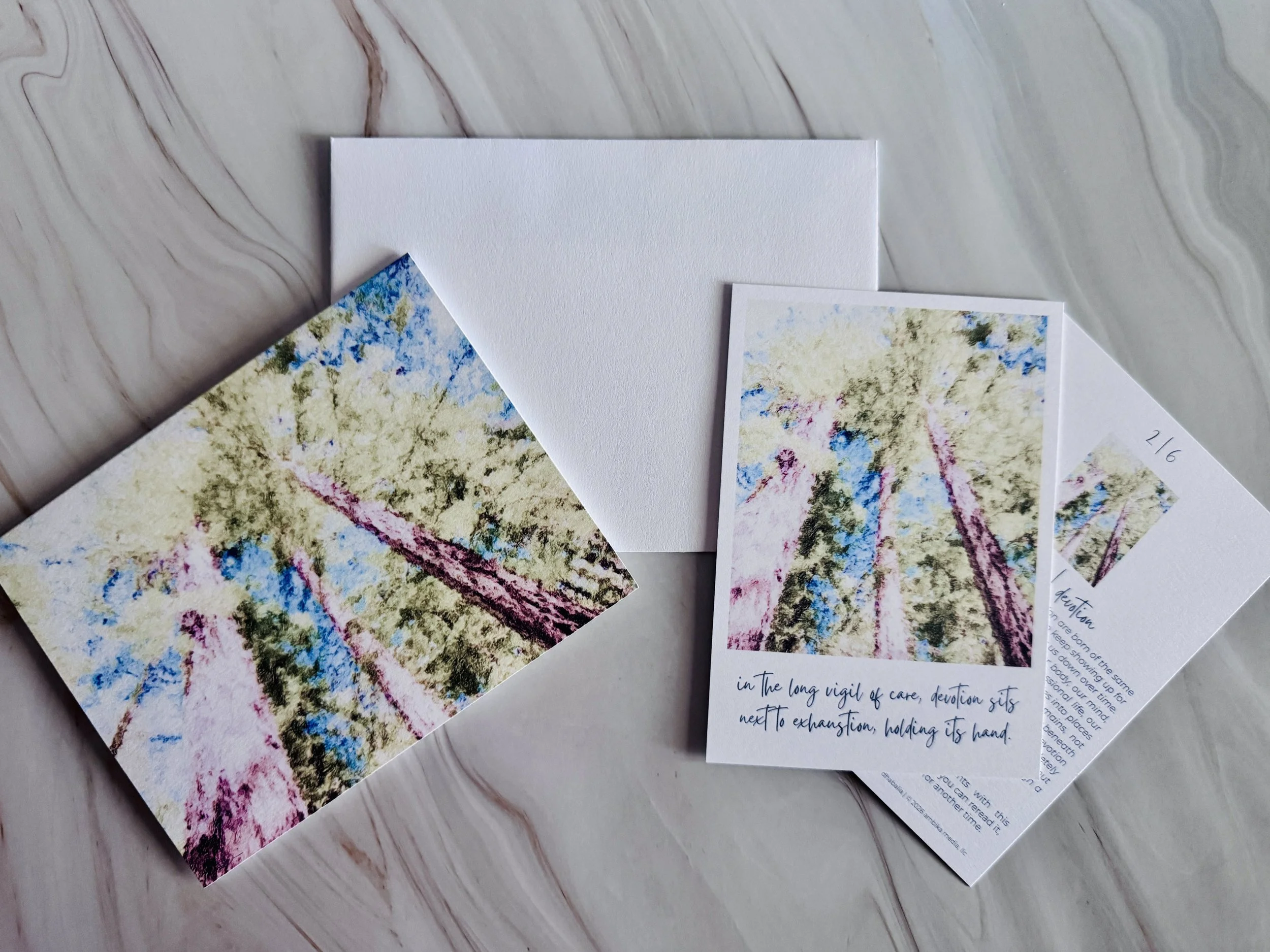
Every love in action one6one empathy card design begins with one of my photographs, a moment in the natural world that stayed with me, which I then transform into the artwork on the cards. Each set uses a single image, with color shifting from card to card to reflect the changes that unfold over the course of a season.
My work is rooted in spiritual ecology, the understanding that we are not separate from the living world but part of it, and that the land has much to teach us about how to care for one another.
For a collection about caregiving, it felt right to turn to the forest. Read the stories behind the designs here.